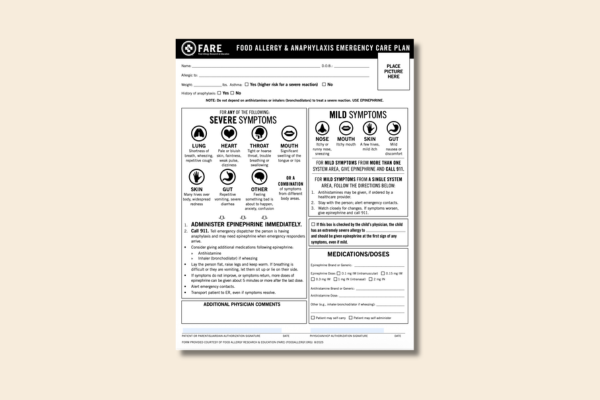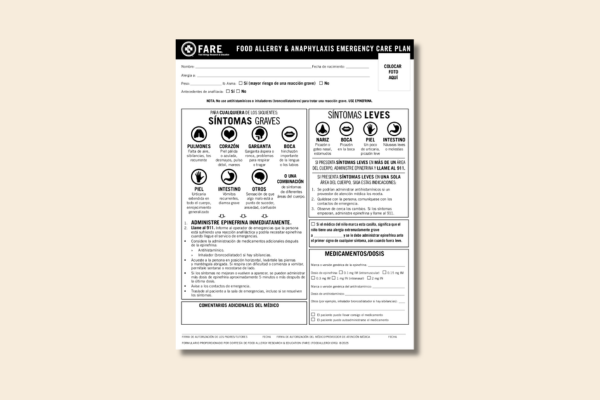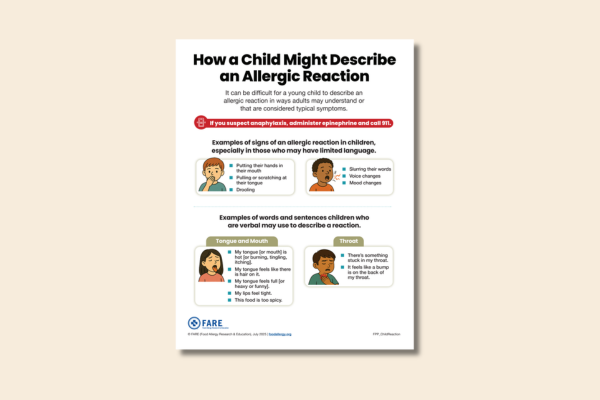
Anaphylaxis (pronounced an-uh-fil-LAX-is) is a severe, potentially life-threatening allergic reaction that can affect multiple body systems at once, including breathing, heart rate, and blood circulation. It can come on quickly and requires immediate recognition and action to prevent serious outcomes.
Food allergy is the most common cause of anaphylaxis, but other triggers—such as insect stings, medications, and latex—can also lead to reactions. In rare cases, anaphylaxis may be triggered by exercise, or by a combination of eating a specific food followed by physical activity (known as food-dependent exercise-induced anaphylaxis).
Epinephrine is the first-line treatment and should be given right away at the first sign of a severe reaction. Understanding what anaphylaxis is, recognizing its symptoms, and knowing how to respond quickly can reduce the risk of serious complications.