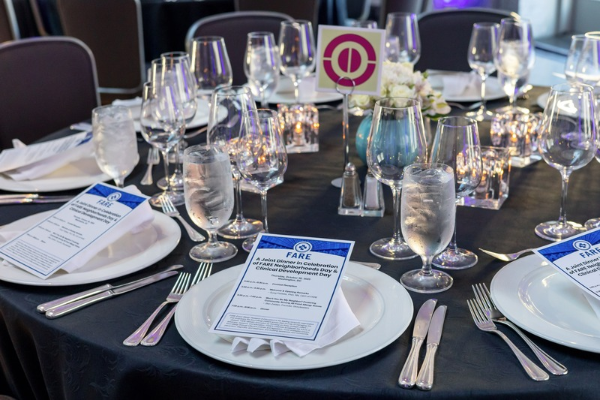
Going out to eat with friends, family, and colleagues is a common occurrence. When you are navigating food allergy, it can come with extra stress.
Learn what you can do to make this a safer and more enjoyable experience.
Knowing What to Avoid
When considering where to eat, think about the venue. Certain types of restaurants are riskier for people with food allergy. Depending on your allergy, those could include:
- Buffets: With a wide variety of foods so close to one another and people serving themselves, the risk for accidental exposure and cross-contact is high.
- Bakeries: There is a high risk of cross-contact since many items are made with the top nine allergens. Also, many baked goods are not packaged and may not comply with labeling laws.
- Restaurants that serve pre-made foods: The staff may not have an accurate list of the ingredients in a pre-made item. Because the dishes are not prepared from scratch, you cannot ask the chef to remove the problem ingredient from an item that would otherwise be safe to eat.
- Restaurants that are known to use your allergens in many dishes. For instance, peanuts and other nuts are used frequently in Asian cuisines. In ice cream parlors, shared scoops increase the risk of cross-contact. If you have a fish or shellfish allergy, it is a good idea to avoid seafood restaurants.
Selecting a Restaurant
- Ask around. Your allergist and other people who manage food allergy may have recommendations.
- Go online. To see if a particular restaurant may be a good choice, check out their website and review the menu in advance.
- Consider chain restaurants, especially when you are traveling. Each restaurant is likely to use the same ingredients and prepare foods the same way. And a growing number of them are allergy aware.
- Ask the caterer. If you plan to attend a catered event, inquire if it is possible to provide an allergy-friendly meal option.
Preparing for Your Restaurant Experience
- Call ahead and ask to speak to the manager. Chef Joel Schaefer has put together some tips and sample questions for calling restaurants.
- Know that timing is everything. Choose a day and time when restaurant kitchens are not as busy. The best time to dine at any restaurant is during the first hour of a service period. The staff is more alert and attentive, and the kitchen is much cleaner. If possible, plan for an early meal.
- Bring a chef card. This wallet-sized card lists your food allergies and states that your food must be cooked in a clean and safe area to avoid cross-contact. FARE has a chef card template available in English and nine foreign languages.
- Be prepared. No matter how carefully you have planned or how safe you feel at a particular restaurant, accidents can still happen when you are dining out. Never leave home without your epinephrine and any additional medications your doctor prescribes.
Communicating with Restaurant Employees
- Talk to everyone. Tell a manager or your waiter about your allergy before you are seated. Present your chef card and ask that it be shown to the chef on duty.
- Ask what is in your dish and how it is prepared. Make sure your server understands what you are allergic to and explain that cross-contact must be avoided. Explain what procedures a restaurant should follow to keep your food safe. You may want to speak to the manager and the chef, just to be sure.
- Do not be embarrassed. If the wait staff does not seem to understand your situation, you may blame yourself for not communicating effectively. Always trust your gut and seek out another staff member or manager. Sometimes, the safest choice is to avoid eating, enjoy the company of your friends or family, and find a safe meal somewhere else afterward.
- Give praise. If you have a good experience at a restaurant, tell the staff about it and go back. Reward excellent service and food allergy awareness and build a relationship.
Selecting Your Meal
- Keep it simple. The more complicated questions you ask about the items on a menu, the higher the chance of an error or misunderstanding. If you are not confident about an item after discussing it with restaurant staff, do not order it.
- Avoid food cooked in a fryer or grill unless you know for sure that they are prepared safely.
- Be careful when ordering dessert. These foods are often a source of hidden allergens. Since many restaurants order their desserts from specialty shops, the staff may not be able to provide a complete list of ingredients. If in doubt, wait and have a safe dessert at home.