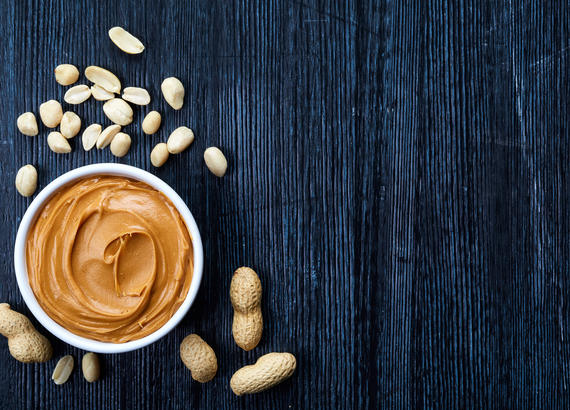
What Is Peanut Allergy?
Peanut allergy is the most common food allergy in children under age 18 and the third-most common food allergy in adults. When a person with a peanut allergy is exposed to peanuts, proteins in the peanut bind to specific IgE antibodies made by the person’s immune system. Exposure to peanut protein triggers the person’s immune defenses, leading to reaction symptoms that can be mild or very severe.
Peanuts are not the same as tree nuts (such as almonds, cashews, pistachios, walnuts, pecans, and more), which grow on trees (though approximately 40% of children with tree nut allergy are also allergic to peanut).² Peanuts grow underground and are part of the legume family (such as beans, peas, lentils and soybeans). Being allergic to peanuts does not mean you have a greater chance of being allergic to other legumes. However, allergy to lupine, a legume commonly used in vegan cooking, can occur in patients with peanut allergy.
Peanut allergies affect up to 2% of pediatric population, and many will carry this allergy into adulthood. ³
Allergic Reactions to Peanuts
Peanuts can cause a severe, potentially life-threatening allergic reaction (anaphylaxis). Allergic reactions can be unpredictable, and even very small amounts of peanuts can cause a serious allergic reaction.
If you have a peanut allergy, always keep an epinephrine delivery device with you. Epinephrine is the first-line treatment for anaphylaxis.
Avoiding Peanuts
To prevent a reaction, it is very important that you avoid peanuts and peanut products. Always read food labels and ask questions about ingredients before eating food that you have not prepared yourself.
Peanuts and tree nuts may touch one another during manufacturing and serving processes. Discuss with your allergist whether you need to also avoid tree nuts.
Peanut is one of the nine major allergens that must be listed in plain language on packaged foods sold in the U.S., as required by federal law, either within the ingredient list or in a separate “Contains” statement on the package.
Avoid foods that contain peanut or any of these ingredients
- Arachis oil (another name for peanut oil) *
- Artificial nuts
- Beer nuts
- Cold-pressed, expelled or extruded peanut oil*
- Ground nuts
- Lupin or lupine ( a common flour substitute in gluten-free food with a strong possibility of cross-reaction in people with peanut allergy)
- Mandelonas (peanuts soaked in almond flavoring)
- Mixed nuts
- Monkey nuts
- Nut meat or nut meal
- Nut pieces
- Peanut butter
- Peanut flour
- Peanut protein hydrolysate
*Highly refined peanut oil does not have to be labeled as an allergen. Studies show that most people with peanut allergy can safely eat this kind of peanut oil. If you are allergic to peanuts, ask your doctor whether you should avoid highly refined peanut oil.
Everyone with peanut allergy should avoid cold-pressed, expelled or extruded peanut oils—sometimes called gourmet peanut oils. These oils are not highly refined and may contain small amounts of peanut protein.
Other Possible Sources of Peanut
Peanuts can be found in surprising places. Remember to read food labels and ask questions about ingredients before eating food that you have not prepared yourself.
- Alternative nut butters, such as soy nut butter or sunflower seed butter (these may be roduced on equipment shared with peanuts. Contact the manufacturer before eating these products).
- Candy and chocolate
- Chili (peanut butter can be used to thicken it)
- Egg rolls
- Enchilada sauce
- Glazes and marinades
- Grains (such as Muesli cereal)
- Granola
- Ice creams
- Marzipan
- Nougat
- Pancakes
- Pet food
- Sauces such as chili sauce, hot sauce, pesto, gravy, mole sauce, and salad dressing
- Specialty pizzas
- Sunflower seeds (which may produced on equipment shared with peanuts)
- Sweets such as pudding, cookies, baked goods, pies, and hot chocolate
- Trail mix
- Vegetarian food products, especially those advertised as meat substitutes
Also, peanut hulls (shells) can sometimes be found in compost, which can be used as lawn fertilizer. Before you hire a contractor, ask whether they use peanut hulls in their compost so you can make an informed decision.
Will My Child Outgrow a Peanut Allergy?
Peanut allergies tend to be lifelong, although studies show that about 20 percent of children with peanut allergy do eventually outgrow their allergy. ¹
Younger siblings of children who are allergic to peanuts may be at higher risk for allergy to peanuts. ⁵ Your doctor can provide guidance on food allergy testing for siblings. Research shows that introducing infants to peanuts early on may help prevent them from developing this food allergy.