
Tackling Health Disparities in Food Allergy
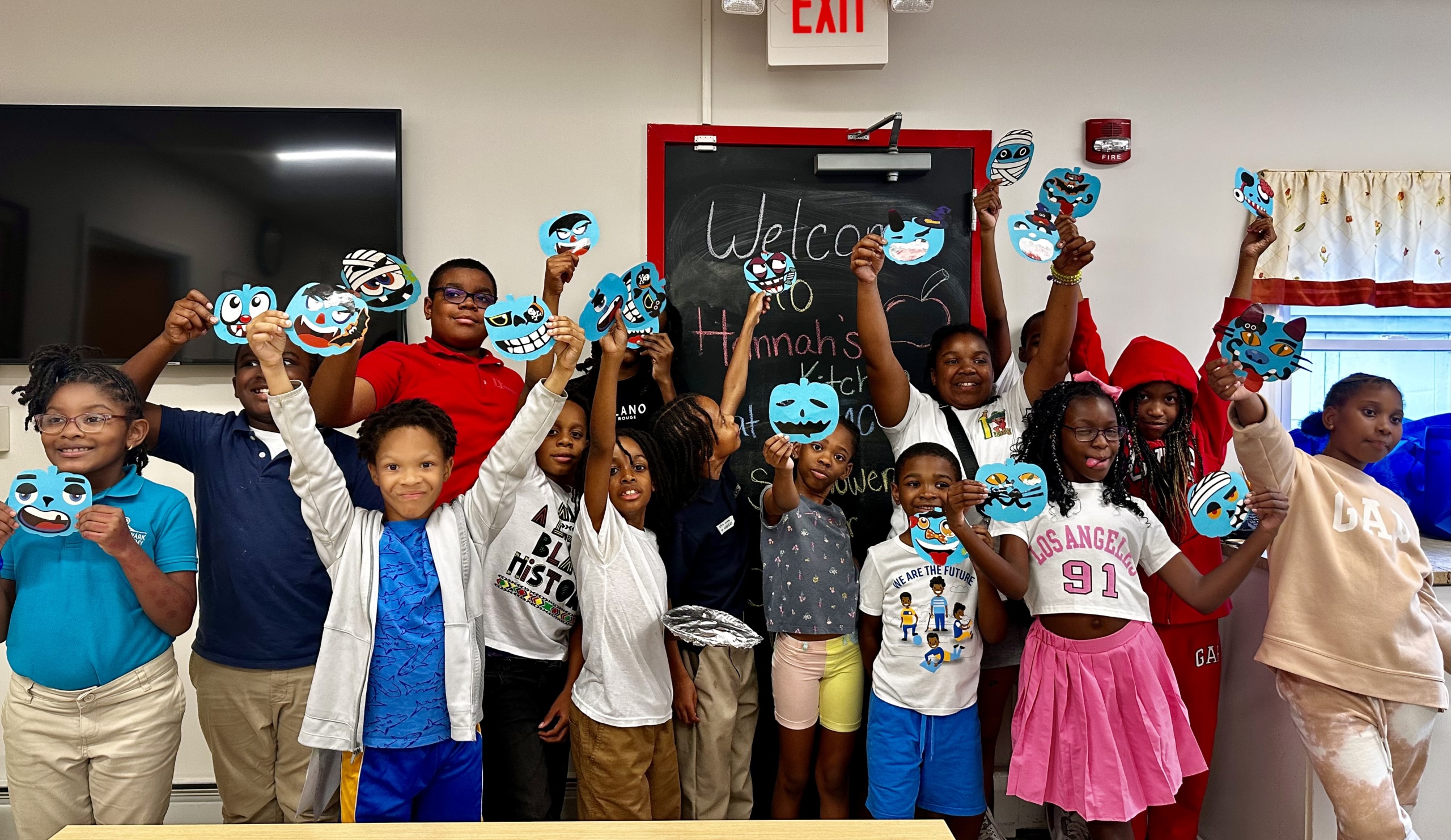
In each FNI, FARE works with schools, community organizations, healthcare providers, places of worship, and volunteers to bring education and awareness to the community. This includes:
- partnering with healthcare providers
- workshops for parents/caregivers and people with food allergy
- training for food assistance programs, schools, and childcare centers
- collaborations with libraries and churches
Each FNI is guided by volunteer advisory councils of parents, patients, health professionals, and community stakeholders, and is supported by a dedicated community health worker.

FARE Neighborhoods Survey Highlights
In 2024, FARE collected key data in five FARE Neighborhoods. Findings include the following:
- 62% of respondents received a prescription for epinephrine
- 38% had access to unexpired epinephrine within 5 minutes all or most of the time
- 6 in 10 worried that their food would run out before they had money to buy more
- More than half visited a food bank in the previous 12 months
- Nearly half reported anxiety due to their child’s food allergy