What Is Shellfish Allergy?
Shellfish allergy is the most common food allergy in adults . Approximately 2% of the U.S. population reports an allergy to shellfish, 1 and the allergy is usually lifelong.
When a person with an allergy to a type of shellfish is exposed to that shellfish, proteins in the shellfish bind to specific IgE antibodies made by the person’s immune system. This triggers the person’s immune defenses, leading to reaction symptoms that can be mild or very severe.
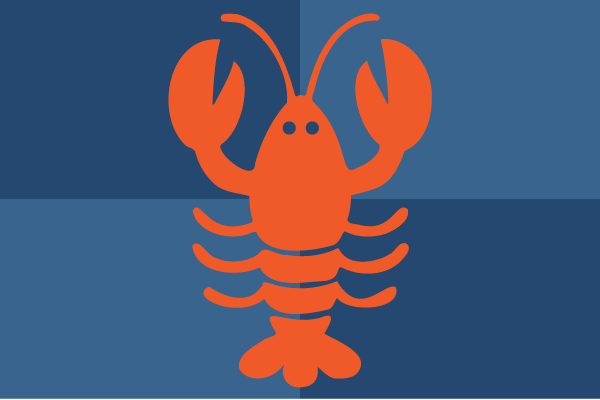
There are two groups of shellfish: crustaceans (such as shrimp, prawns, crab, and lobster) and mollusks/bivalves (such as clams, mussels, oysters, scallops, octopus, squid, abalone, and snail). Allergy to crustaceans is more common than allergy to mollusks, with shrimp being the most common shellfish allergen for both children and adults.
F ish (like cod and salmon) and shellfish are not closely related. Being allergic to one does not always mean that you must avoid both, though care is needed to prevent cross-contact between fish and shellfish. Discuss this with your allergist to make sure the right food restrictions are implemented.
About 60 percent of people with shellfish allergy experience their first allergic reaction as an adult.3
Allergic Reactions to Shellfish
Shellfish can cause a severe and potentially life-threatening allergic reaction (such as anaphylaxis). Allergic reactions can be unpredictable, and even very small amounts of shellfish can cause a reaction.
If you have a shellfish allergy, always keep an epinephrine delivery device with you. Epinephrine is the first-line treatment for anaphylaxis.
Avoiding Shellfish
To prevent a reaction, it is very important to avoid all shellfish and shellfish products. Always read food labels and ask questions about ingredients before eating food that you have not prepared yourself.
Most people who are allergic to one group of shellfish are allergic to other types, but our allergist will usually recommend you avoid all kinds of shellfish. If you are allergic to a specific type of shellfish but want to eat other shellfish, talk to your doctor about further allergy testing.
Steer clear of seafood restaurants, where there is a high risk of cross-contact during food preparation. You should also avoid being in an area where shellfish is being cooked since shellfish protein could be in the steam.
Crustacean shellfish are one of the nine major allergens that must be listed in plain language on packaged foods sold in the U.S., as required by federal law, either within the ingredient list or in a separate “Contains” statement on the package. For crustacean shellfish, the specific variety must also be identified on the package, such as crab or shrimp.
Mollusks do not have to be labeled in the U.S. at this time and may be present in a food item unexpectedly.
Avoid foods that contain shellfish or any of these ingredients:
- Barnacle
- Crab
- Crawfish (crawdad, crayfish, ecrevisse)
- Krill
- Lobster (langouste, langoustine, Moreton Bay bugs, scampi, tomalley)
- Prawns
- Shrimp (crevette, scampi)
Your doctor may recommend that you avoid mollusks* or these ingredients:
- Abalone
- Clams (cherrystone, geoduck, littleneck, pismo, quahog)
- Cockle
- Cuttlefish
- Limpet (lapas, opihi)
- Mussels
- Octopus
- Oysters
- Periwinkle
- Sea cucumber
- Sea urchin
- Scallops
- Snails (escargot)
- Squid (calamari)
- Whelk (Turban shell)
*Note: The federal government does not require mollusks to be fully disclosed on product labels.
Shellfish are sometimes found in the following:
- Bouillabaisse
- Cuttlefish ink
- Glucosamine
- Fish stock
- Seafood flavoring (e.g., crab or clam extract)
- Fish stock or fish sauce (sometimes made from krill)
- Surimi
What About Carrageenan or Iodine?
Carrageenan, or “Irish moss,” is not shellfish. It is a red marine algae used as an emulsifier, stabilizer and thickener in many foods like dairy foods. It is safe for most people with food allergy .
Shellfish allergy is sometimes confused with iodine allergy because shellfish is known to contain iodine. But iodine is not what triggers a reaction in people who are allergic to shellfish, rather it is the protein tropomyosin. If you have a shellfish allergy, you do not need to worry about cross-reactions with iodine or radiocontrast material (which can have iodine and is used in some radiographic medical procedures).
Shellfish Allergy Allergy Resources






1Sicherer SH, et al. Prevalence of seafood allergy in the United States determined by a random telephone survey. J Allergy Clin Immunol 2004;114:159.